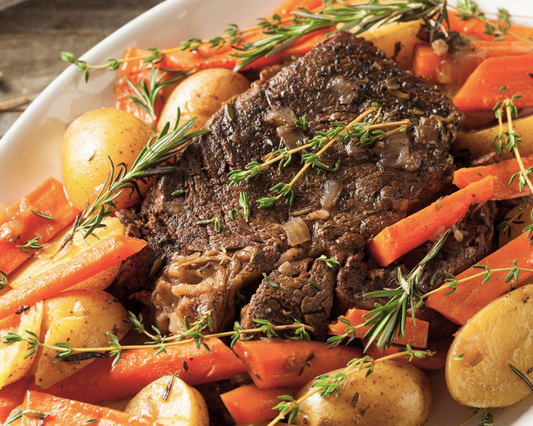
In recent years, grass-fed meat has moved from a niche food trend to a mainstream choice for health-conscious Canadians. From grocery stores to local farms, more consumers are seeking grass-fed beef and wondering whether it truly offers health benefits over conventional grain-fed meat. According to a growing body of medical and nutritional research, the answer is yes—grass-fed meat can provide meaningful nutritional advantages when consumed as part of a balanced diet.
Higher Levels of Beneficial Omega-3 Fatty Acids
One of the most widely documented benefits of grass-fed meat is its improved fatty acid profile. Medical studies consistently show that grass-fed beef contains significantly higher levels of omega-3 fatty acids compared to grain-fed beef. Omega-3s are essential fats linked to reduced inflammation, improved cardiovascular health, and better brain function.
Research published in peer-reviewed nutrition journals has found that grass-fed beef can contain up to two to five times more omega-3 fatty acids than conventional beef. Since many Canadians consume diets higher in omega-6 fats, increasing omega-3 intake through grass-fed meat may help support a healthier fatty acid balance.
More Conjugated Linoleic Acid (CLA)
Grass-fed meat is also richer in conjugated linoleic acid (CLA), a naturally occurring fat that has been studied for its potential health benefits. Clinical and observational studies associate CLA with improved body composition, immune support, and possible anti-inflammatory effects.
Medical research suggests that grass-fed cattle produce more CLA because of their forage-based diet. While CLA is not a cure-all, its presence in grass-fed meat adds to the overall nutritional value, particularly for individuals focused on metabolic health and maintaining lean muscle mass.
Increased Vitamin and Antioxidant Content
Several studies comparing grass-fed and grain-fed meat have shown that grass-fed beef contains higher levels of fat-soluble vitamins, particularly vitamin A (in the form of beta-carotene) and vitamin E. Vitamin E functions as an antioxidant, helping protect cells from oxidative stress, which is linked to chronic disease and aging.
Medical researchers note that antioxidants in food play a supportive role in overall health, especially when combined with whole-food dietary patterns. Grass-fed meat contributes modest but meaningful amounts of these nutrients, especially when consumed regularly in appropriate portions.
Leaner Protein With Fewer Calories
Grass-fed meat tends to be leaner than conventional meat, with lower total fat content and fewer calories per serving. This makes it appealing for individuals managing weight or following medically recommended dietary plans.
Protein quality remains high in both grass-fed and grain-fed meat, but grass-fed options offer the benefit of nutrient density without excess fat. Medical nutrition studies emphasize the importance of high-quality protein for muscle maintenance, satiety, and metabolic health—especially for active adults and aging populations.
Reduced Exposure to Added Hormones and Antibiotics
While not a direct nutritional benefit, medical and public health research often points to reduced exposure to added hormones and antibiotics as an advantage of grass-fed meat. Grass-fed standards typically prohibit routine antibiotic use and growth hormones.
Medical professionals increasingly recognize the importance of minimizing unnecessary antibiotic exposure due to concerns about antibiotic resistance. Choosing grass-fed meat aligns with recommendations that support both individual health and broader public health outcomes.
Supports Heart Health When Part of a Balanced Diet
Several medical studies evaluating dietary patterns—not just individual foods—suggest that grass-fed meat can fit well into heart-healthy diets when consumed in moderation. Its improved fat profile, higher omega-3 content, and lower saturated fat levels compared to grain-fed meat may support cardiovascular health when paired with vegetables, whole grains, and healthy fats.
Canadian dietary guidance emphasizes overall food quality, and grass-fed meat aligns well with these recommendations.
What Medical Experts Agree On
Medical studies do not suggest that grass-fed meat is a miracle food, but they do consistently highlight its nutritional advantages over conventional meat. Experts agree that grass-fed meat is best viewed as part of a whole-food lifestyle—one that prioritizes nutrient density, transparency, and balance.
For Canadians seeking cleaner protein sources with added nutritional benefits, grass-fed meat is a science-supported choice worth considering.