As the New Year begins, many Canadians are setting intentions to eat better, feel stronger, and build healthier routines that actually last. The challenge? Turning good intentions into sustainable habits. With farm-fresh, locally sourced food delivered straight to your door, healthy eating in 2026 doesn’t have to feel restrictive, expensive, or complicated.
Choose Real, Whole Foods First
One of the simplest and most effective healthy eating resolutions is to prioritize whole, minimally processed foods. Fresh vegetables, quality meats, and seasonal ingredients provide more nutrients and better flavour than heavily processed alternatives.
Be connected with trusted local farms, ensuring that what ends up on your plate is fresh, traceable, and responsibly sourced. Whether it’s crisp winter vegetables, grass-fed beef, or ethically raised poultry, starting with quality ingredients makes healthy cooking easier and more enjoyable.
Plan Meals with Intention
Meal planning is one of the most powerful tools for healthier eating. When you know what you’re cooking ahead of time, you’re far less likely to rely on takeout or convenience foods.
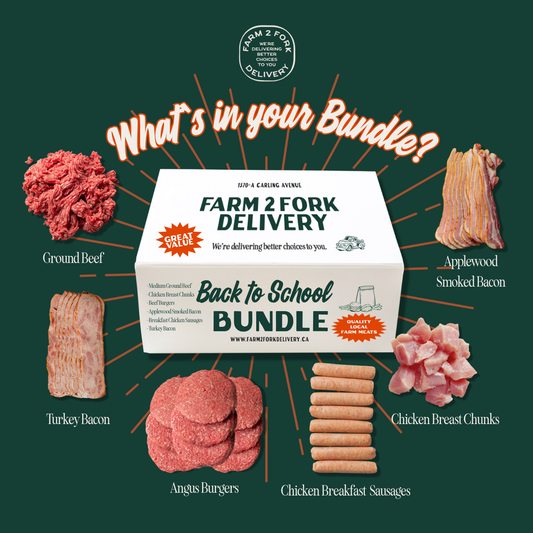
A great resolution for 2026 is to plan your meals weekly using seasonal ingredients. Our curated boxes and bundles simplify this process by offering a variety of fresh produce and proteins that inspire home-cooked meals without the stress of grocery store trips.
Tip: Build your meals around one protein and two seasonal vegetables. This keeps plates balanced, satisfying, and nutrient-dense.
Eat Seasonally for Better Nutrition
Eating with the seasons isn’t just good for the environment—it’s good for your body. Seasonal produce is often harvested at peak ripeness, meaning better taste and higher nutritional value.
During Canadian winters, root vegetables, squash, hearty greens, and preserved foods shine. Making a resolution to eat seasonally in 2026 supports local agriculture while adding variety and excitement to your meals.
Make Protein Quality a Priority
Not all protein is created equal. Choosing high-quality, ethically sourced meat can make a significant difference in both nutrition and taste.
We partner with Canadian farms that prioritize animal welfare and sustainable practices. By choosing responsibly raised beef, pork, poultry, and seafood, you’re fuelling your body with clean protein while supporting farmers who care about how food is raised.
A helpful resolution is to eat smaller portions of better-quality protein—focusing on flavour, balance, and nourishment rather than quantity.
Build Habits, Not Diets
Healthy eating isn’t about perfection; it’s about consistency. One of the most realistic New Year’s resolutions is to create habits that fit into everyday life.
No last-minute grocery runs. No impulse buys. Just fresh ingredients ready when you need them. This makes it easier to cook at home more often, experiment with new recipes, and enjoy meals together.
Simple habits like cooking one extra meal at home each week or adding one more vegetable to your plate can make a big impact over time.
Reduce Food Waste in 2026
Reducing food waste is a meaningful resolution that benefits both your household and the planet. Thoughtful portioning, proper storage, and creative leftovers can stretch your ingredients further.
Meat delivery help reduce overbuying while encouraging intentional use of every item. Roasted vegetables can become next-day grain bowls, soups, or wraps, making healthy eating both economical and sustainable.
Support Local, Eat Better
One of the most rewarding healthy eating resolutions is choosing to support local Canadian farms. When you buy local, you’re investing in your community, reducing food miles, and helping build a more resilient food system.
Align your values with your eating habits in 2026—bringing farm-fresh food straight to your table while supporting the people who grow and raise it.
Start 2026 the Farm-Fresh Way
Healthy eating resolutions don’t have to be overwhelming. Eating well becomes simpler, more enjoyable, and more sustainable. This New Year, focus on fresh ingredients, mindful habits, and local connections.