Interest in the carnivore diet has grown rapidly in recent years as more people explore simple, protein-focused approaches to nutrition. For those just getting started, having a clear, balanced guide is essential. A new carnivore guide designed with insights from health professionals can help beginners approach a meat-focused lifestyle safely, confidently, and with realistic expectations.
Rather than focusing on complicated meal plans or restrictive calorie counting, the carnivore approach centres on whole animal foods such as beef, poultry, pork, fish, and eggs. For many people, this simplified style of eating can make meal planning easier while emphasizing nutrient-dense proteins and healthy fats.
If you are curious about initiating a meat-based diet, this beginner’s guide outlines the basics, the potential benefits, and practical tips for getting started responsibly.
What Is the Carnivore Diet?
The carnivore diet is a dietary approach that prioritizes animal-based foods while minimizing or eliminating plant-based ingredients. Most carnivore meal plans focus on foods such as:
- Beef and other red meats
- Poultry such as chicken and turkey
- Fish and seafood
- Eggs
- Animal fats like butter or tallow
Some variations of the diet allow small amounts of dairy products such as cheese or yogurt, while stricter versions focus entirely on meat, fish, and animal fats.
Supporters of the carnivore diet often describe it as an elimination-style eating pattern that removes many processed foods and carbohydrates while emphasizing protein and fat for energy.
Why Some Health Professionals Support a Meat-Focused Diet
While nutrition opinions vary widely, some doctors, dietitians, and health researchers acknowledge that a properly planned carnivore-style diet can offer benefits for certain individuals.
Animal foods are naturally rich in several essential nutrients, including:
- High-quality complete protein
- Iron and zinc
- Vitamin B12
- Omega-3 fatty acids (from fish and grass-fed meats)
- Fat-soluble vitamins such as A and D
For individuals seeking higher protein intake, reducing ultra-processed foods, or experimenting with elimination diets, a structured carnivore approach may help simplify food choices while focusing on nutrient-dense meals.
However, most health professionals emphasize that anyone starting a new dietary pattern should do so gradually and consult a qualified healthcare provider if they have underlying medical conditions.
A Beginner’s Carnivore Guide
If you are initiating a carnivore diet, experts often recommend starting with a balanced and flexible approach rather than making drastic overnight changes.
1. Start with High-Quality Protein
The foundation of a carnivore diet is high-quality animal protein. Choosing premium cuts of meat can make the transition more enjoyable while providing important nutrients.
Popular options include:
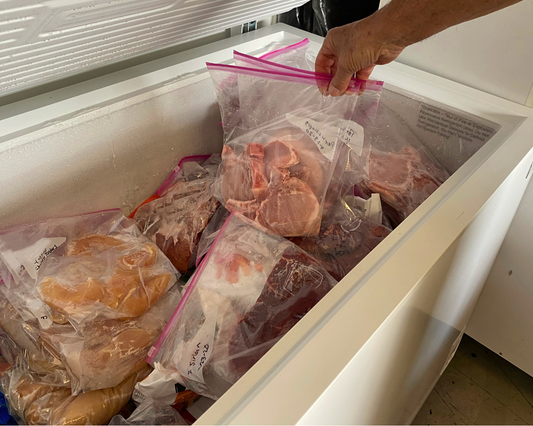
- Grass-fed beef steaks
- Ground beef
- Pork chops
- Chicken thighs
- Salmon or other fatty fish
Rotating between different meats can also help provide a broader range of nutrients and flavours.
2. Focus on Whole, Minimally Processed Foods
A key principle in many carnivore guides is prioritizing whole foods over heavily processed products. Fresh cuts of meat, seafood, and eggs are generally preferred over processed meats with added preservatives or fillers.
Cooking methods such as grilling, roasting, slow cooking, and pan-searing help bring out the natural flavours of quality meat without needing complicated ingredients.
3. Ensure Adequate Fat Intake
When reducing carbohydrates, dietary fat becomes an important energy source. Many carnivore diet supporters recommend including natural fats from meat, butter, or animal-based cooking fats to help maintain energy levels and satiety.
Cuts such as ribeye steak, short ribs, and chicken thighs are popular because they provide both protein and fat.
4. Stay Hydrated and Monitor Electrolytes
When transitioning to a lower-carbohydrate eating pattern, hydration becomes particularly important. Some people also find that maintaining adequate electrolyte intake—especially sodium and potassium—helps reduce temporary symptoms during the adjustment phase.
Health professionals often advise listening to your body during the transition and making gradual adjustments rather than forcing strict dietary rules immediately.
5. Track How Your Body Responds
Every person responds differently to dietary changes. Some individuals report improved satiety, energy levels, or simplified meal planning when adopting a meat-focused diet, while others may prefer a more balanced dietary approach that includes a variety of foods.
Keeping a simple food journal during the first few weeks can help track how your body responds to the change.
Common Beginner Carnivore Meals
One of the appealing aspects of the carnivore diet is its simplicity. Many meals require only a few ingredients and minimal preparation.
Examples of beginner carnivore meals include:
- Grilled ribeye steak with butter
- Pan-seared salmon with sea salt
- Ground beef bowls with fried eggs
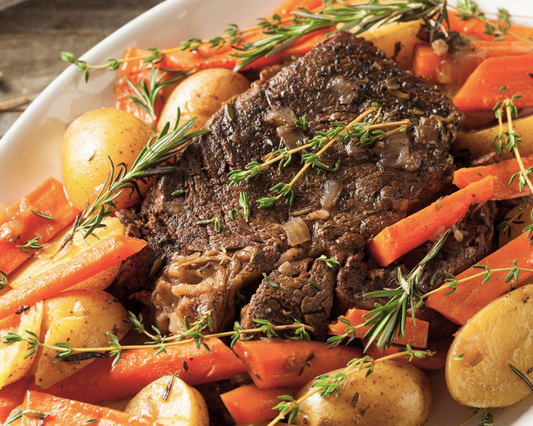
- Slow-cooked beef short ribs
- Roasted chicken thighs
These meals are protein-rich, satisfying, and easy to prepare even for busy households.
A Balanced Approach to Meat-Focused Eating
While the carnivore diet continues to spark debate in the nutrition world, many health professionals agree on several core principles: prioritize whole foods, focus on high-quality protein, and approach dietary changes thoughtfully.
For beginners, a practical carnivore guide can serve as a helpful starting point, offering structure while allowing flexibility as you learn what works best for your body.
By choosing premium meats and preparing simple, nourishing meals, those exploring a carnivore lifestyle can enjoy a straightforward way of eating that celebrates the natural flavours and nutritional value of quality animal foods.